Can Expandable Container Homes Deliver Shelter in Hours?
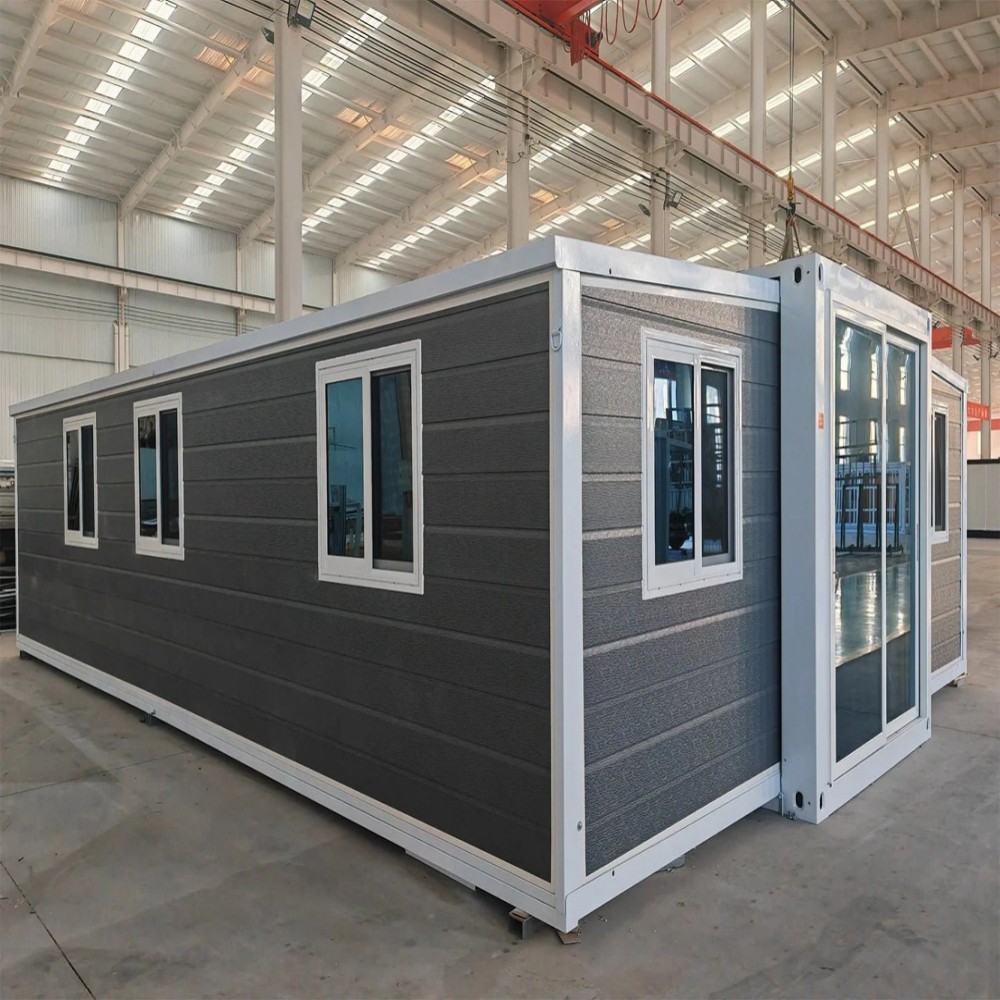
When a storm wipes out housing, an expandable container house from ZZ Group can be unfolded from its folded shipping form and made livable within hours, which is why units of this kind have become a first choice for relief programs, site managers and families who cannot wait for a permanent building. The unit packs like a cargo box and opens into a full-width room, and the speed comes from the design itself rather than from a crew of specialists standing by.
A Box That Packs Small and Opens Wide
The concept is a fold-and-expand structure. Folded for shipment, the 20ft model measures L5900W22002480, and two sets fit inside a single 40-foot high cube container. On arrival it expands to L5900W63002480, with an internal size of L5460W61402230 and a floor area of 37 square meters. Across the wider range, the usable interior can reach 6400mm wide. Because the walls and roof do the expanding, that extra width shows up without foundation work or crane work on site. Sizes run 20ft, 30ft and 40ft, and ZZ Group can customize dimensions to suit a particular project.
Layout choice is part of the package. Buyers can select 1 bedroom and 1 bathroom, 2 bedrooms and 1 bathroom, 3 bedrooms and 1 bathroom, or 4 bedrooms and 1 bathroom, and structural options cover single-story or two-story models. The same folded footprint can become a worker dormitory, a family unit or a small field office, depending on what the order calls for.
Hours, Not Weeks, From Arrival to Occupancy
For a relief team, the interval between delivery and the first night’s sleep is the whole point. Setup and takedown take just a few hours, and no professional crew is required, so a handful of people can manage with the included guide. That argument carries real weight for anyone comparing prefab container homes against a deadline that will not move.
Transport economics point the same way. Folded units take up less space, so more of them fit in one container and freight cost per usable square meter drops. Buyers who want to skip local construction labor entirely will find that prebuilt container homes arrive as complete units, ready to be opened and occupied.
The unit also tolerates rough ground. It stands on level ground, sloped ground and even complex terrain, which means a camp does not have to wait for grading work before beds can go in.
Steel, Insulation and a Sealed Shell
Durability is where a container house for sale either earns trust or loses it. ZZ Group builds the body from steel plates with insulated wall panels and a sealed structural design, and the result is a unit that is waterproof, fireproof and resistant to corrosion, and strong enough to withstand natural disasters. The same building can serve through a rainy construction season, then be relocated to a coastal relief site the following year. For organizations that expect a long service life, that material story often outweighs the sticker price.
A Real Home Inside a Folded Box
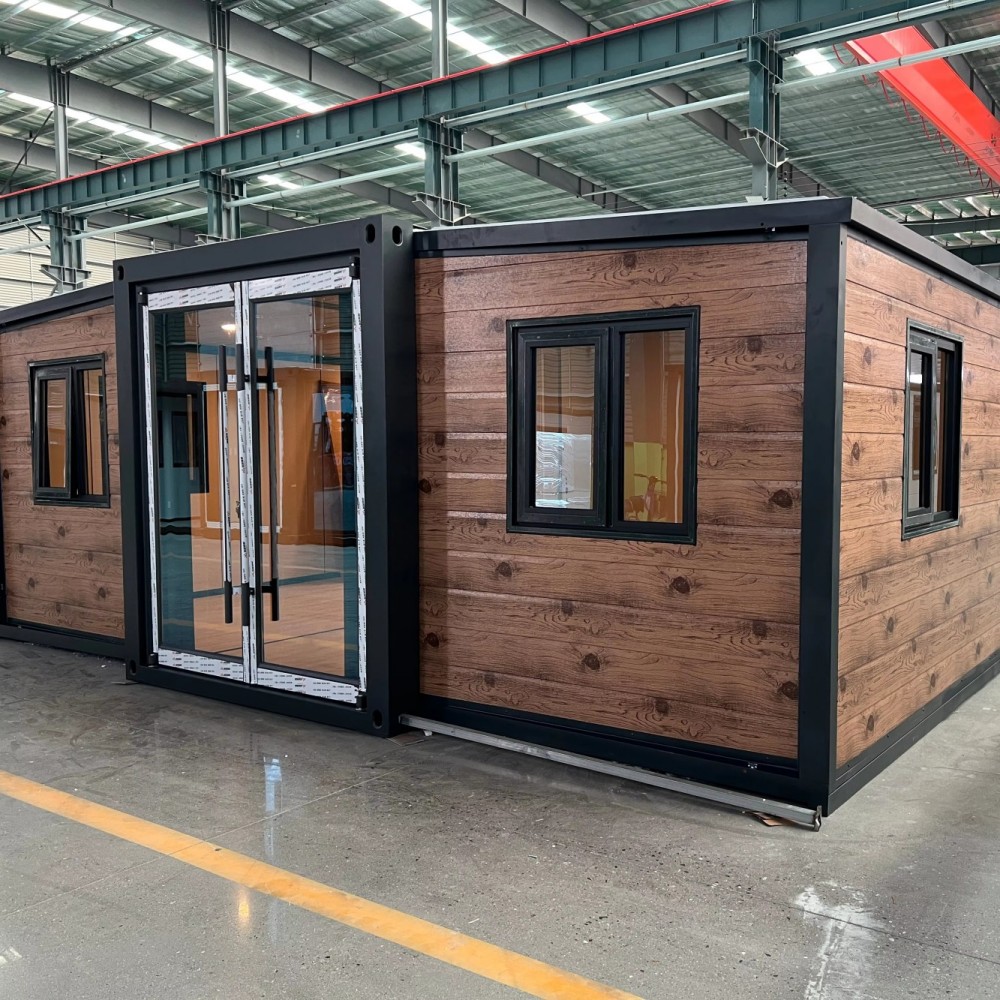
Inside, the unit behaves like a regular home rather than temporary kit. A bedroom, a bathroom and other functional areas are built in, so people who may live there for months are not living in a shed. That point matters to buyers who order container homes for family housing instead of for one-season projects.
Where the Units Earn Their Keep
Use cases keep multiplying across markets:
- ► Family and group housing for people who need a place to live.
- ► Disaster relief, medical aid and temporary housing when time is short.
- ► Construction-site accommodation for workers who need to sleep near the job.
- ► Shops, camping cabins and temporary workshops.
- ► Storage and lightweight equipment housing.
This range is why prefabricated container homes have moved from a niche product to a standard option in housing-short markets.
Quality, Customization and After-Sales
Every prefabricated container house is produced to meet standards, with safety, stability and durability treated as the baseline rather than an upgrade. Customers can customize the color, interior decoration, door and window positions, electrical layout and plumbing systems, so the unit can be tuned for a hot climate, a cold one or a particular site plan. ZZ Group also supplies installation guides and after-sales support, which helps first-time buyers set the unit up quickly and correctly.
Who Stands Behind the Product
A folding house is only as dependable as the company standing behind it. ZZ Group was founded in the early 1980s and is headquartered in Shanghai’s Yangpu District, with a registered capital of 200 million RMB. The group combines steel trade, steel processing and distribution, steel raw materials, real estate development and financial investment, and the numbers attached to that history are on the record: more than 20 subsidiary companies and warehouses, six factories, over 1,500 employees, annual steel product sales above 4.5 million tons and annual sales income exceeding 2.7 billion USD. It is counted among China’s leading enterprises in the metal materials industry and ranks in the “Top 100 private enterprises in Shanghai.”
That scale is not decoration. Steel plate, wall panels and frames come from a supply chain the group has run for decades, which is the kind of hands-on experience that shows up in weld quality and fit. The operating principle of Integrity, Practicality, Innovation and Win-Win, along with the stated habit of putting customer demand first, is visible in how orders are handled from quotation to customs clearance to after-sales follow-up.
The Takeaway
For anyone who needs shelter on a deadline, the decision usually comes down to three questions: How fast can it be livable? How much does it cost to move? Will it hold up? A prefab container house from ZZ Group answers all three — hours of setup, a folded form that keeps freight low, and a steel shell that shrugs off weather and hard use. Whether the order feeds a relief program, a worker camp or a family relocation, expandable container homes that go from box to bedroom in a single afternoon are hard to beat.
Post time: Sep-15-2026