
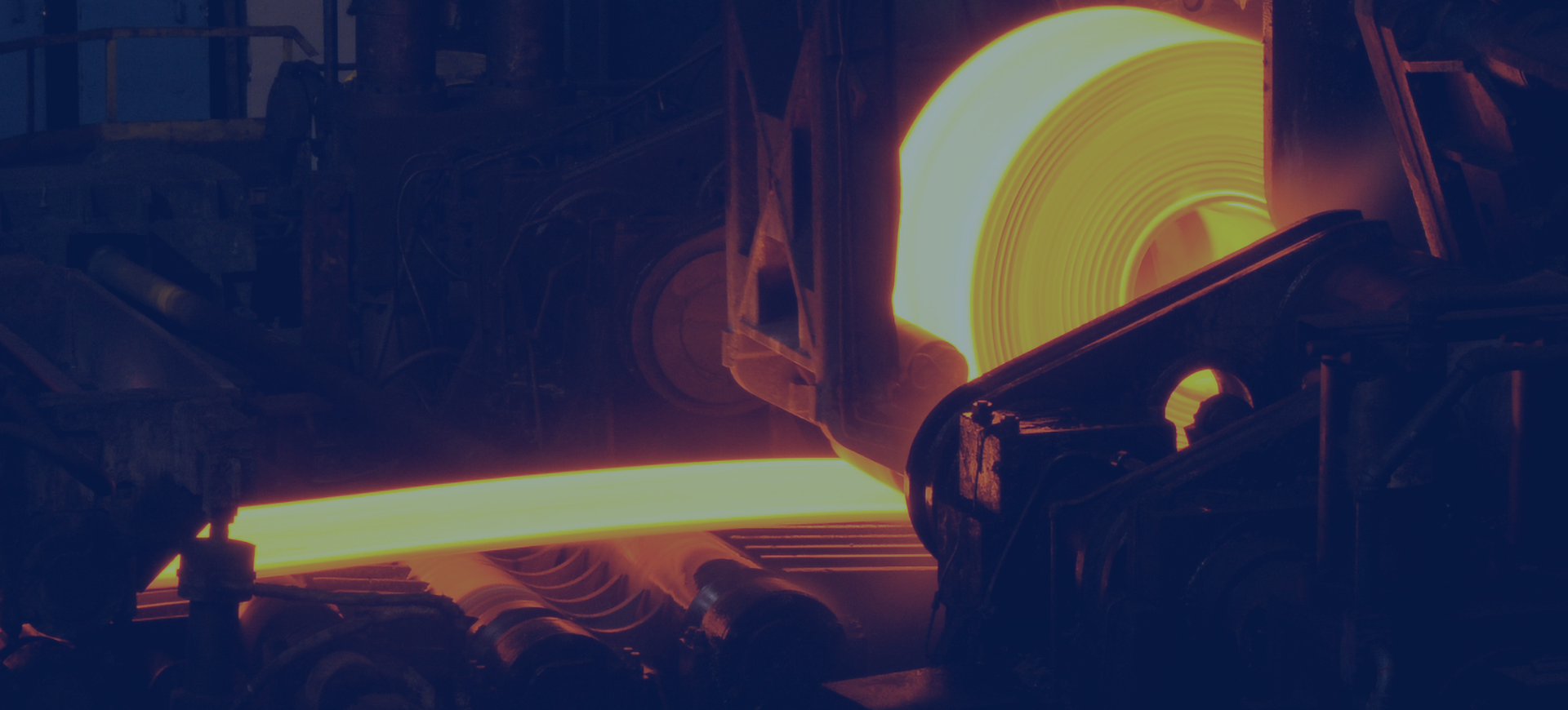
Infrastructure projects, ranging from urban deep foundation excavations to expansive coastal reclamation works, face a common logistical hurdle: securing structural components that balance immediate budgetary constraints with long-term structural integrity. In the current landscape of civil engineering, the demand for high-quality steel piles has shifted from simple procurement to strategic sourcing.
As developers and contractors navigate the complexities of soft soil stabilization and waterfront protection, a prominent China Leading Steel Sheet Pile Exporter like ZZ Steel Group (Tianjin Zhanzhi Steel Co., Ltd.) provides a critical bridge between manufacturing scale and site-specific technical requirements. Steel sheet pile applications have evolved significantly, moving beyond traditional cofferdams to become essential components in permanent wharf structures, cut-off walls for environmental containment, and high-load bearing underground parking facilities.
The Total Cost of Ownership: Analyzing Procurement and Scale
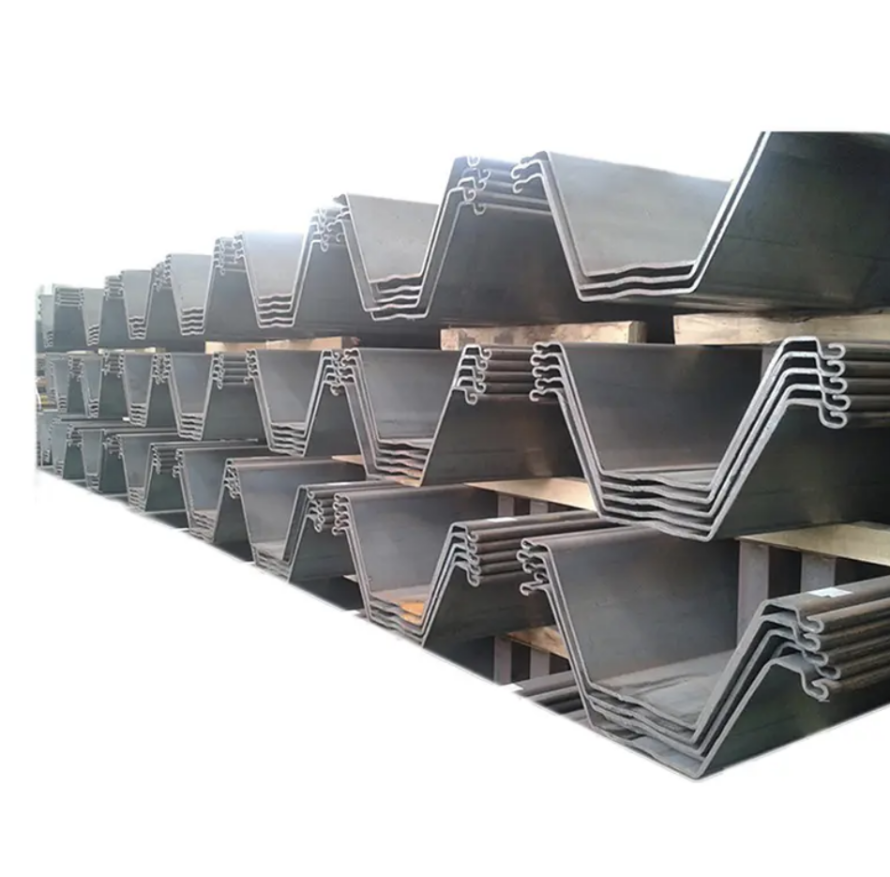
When evaluating the cost-effectiveness of a steel sheet pile, the initial purchase price often masks the broader reality of the Total Cost of Ownership (TCO). Local suppliers in many regions operate with limited inventory and localized manufacturing footprints, which can lead to price volatility and restricted section availability. In contrast, large-scale comprehensive enterprise groups leverage significant resource integration. With an annual sales volume exceeding 4.5 million tons of steel products, the economies of scale allow for a stabilization of material costs that localized vendors struggle to match.
The financial advantage of sourcing from a China leading steel sheet pile exporter extends into the integration of the supply chain. By combining steel trade with advanced processing and distribution, the hidden costs associated with multi-stage logistics are effectively mitigated. Traditional procurement models involve separate entities for raw material sourcing, secondary processing, and final delivery, each adding a margin and potential delay. An integrated model streamlines this by managing the lifecycle of the steel sheet pile from the initial hot-rolling or cold-forming stage through to final protective coatings and on-site delivery. This integration reduces the “dead time” in construction schedules, which is often the most significant hidden expense in large-scale infrastructure.
Technical Diversity: Material Selection and Application Efficiency
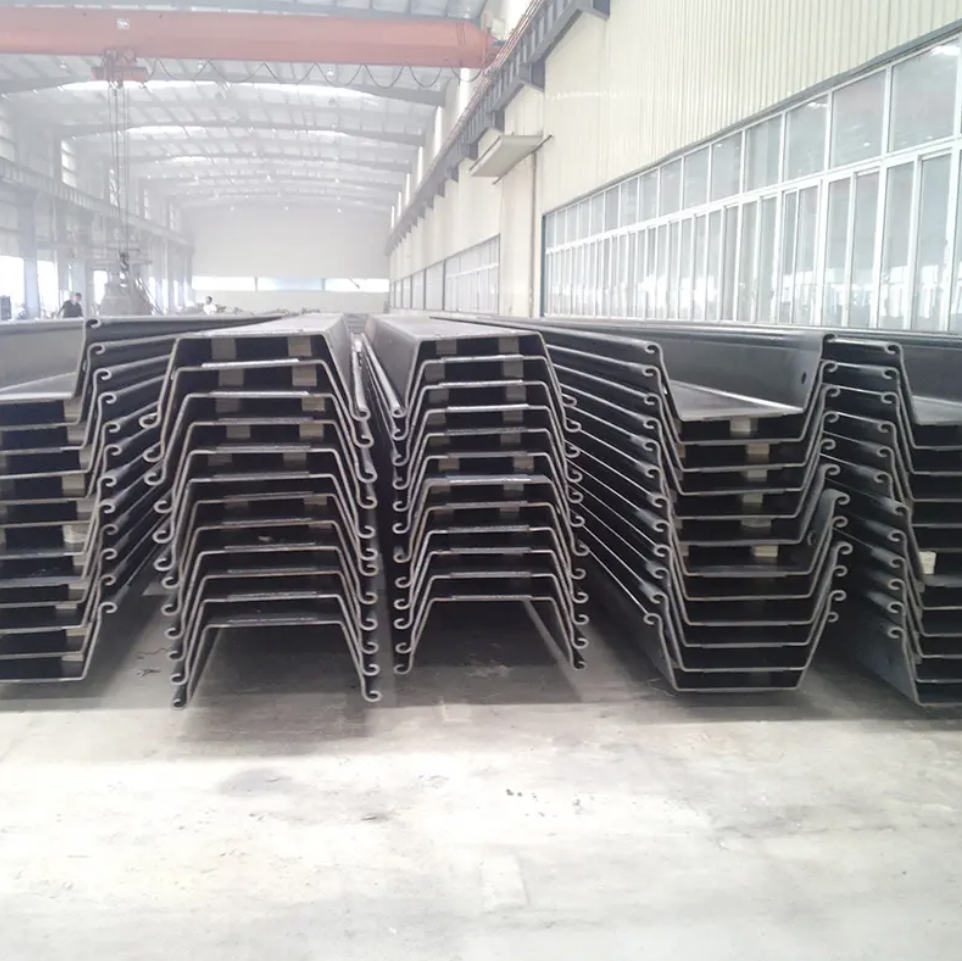
The efficiency of a steel sheet pile installation is largely determined by the precision of the section choice. Local suppliers may offer a limited range of U-type or Z-type profiles, forcing engineers to over-design their structures to compensate for lack of specific section modulus. However, a diversified product line provides access to both hot-rolled and cold-formed variations, including specialized SY295 hot-rolled U-piles and high-modulus cold-formed Z-piles.
In practical applications, such as the construction of drainage channels or temporary retaining walls, the choice between cold-formed and hot-rolled profiles can dictate the project’s bottom line. Cold-formed steel sheet pile options provide a wider profile, which reduces the number of interlocks required per meter of wall. Fewer interlocks mean faster installation and improved water-tightness. Conversely, for deep-water port projects where high driving stresses are expected, hot-rolled Z-piles offer superior structural continuity. By analyzing the execution standards and mechanical properties required for specific soil conditions, a leading steel sheet pile exporter ensures that the material delivered is not just a commodity, but a calibrated technical solution.
Engineering Support and the “Customized Shape” Strategy
One of the primary challenges in global steel procurement is the disconnect between the manufacturer and the end-user’s technical needs. Standard market products often fail to meet the unique mechanical indicators required for specialized marine engineering or high-seismic zones. To address this, the implementation of a “customized shape” solution allows users to define parameters such as metal composition and mechanical properties before mass production begins.
A professional technology team facilitates this by providing proportioned production samples for testing. This ensures that the steel sheet pile meets specific indicators like yield strength and elongation before the bulk of the material arrives at the project site. This technical depth is backed by a rigorous adherence to international standards, including ISO quality management systems and multi-standard compliance across GB, EN, DIN, JIS, and ASTM frameworks. The availability of professional third-party test reports further bridges the gap between international manufacturing and local regulatory requirements, providing the “EEAT” (Experience, Expertise, Authoritativeness, and Trustworthiness) necessary for government-tendered infrastructure.
Global Presence and Lifecycle Service Response
The reliability of a China leading steel sheet pile exporter is increasingly measured by its physical proximity to global markets. Moving beyond a centralized export model, the establishment of over 20 subsidiaries and offices—with a presence in strategic hubs like Jakarta, Istanbul, Mexico City, Bangkok, and Hanoi—allows for real-time service response. This global network is crucial for the heavy industry sector, where technical queries regarding pile driving or interlock sealing require immediate expert attention.
Processing customization adds another layer of value that local distributors often lack. The ability to perform annealing, tempering, solution treatment, and precision grinding within the manufacturer’s own ecosystem ensures that the steel sheet pile arrives ready for the specific environment of the project. For instance, in corrosive coastal environments, the integration of advanced coating processes or specific alloy adjustments during the forging and rolling phases can significantly extend the service life of the steel structure. This comprehensive approach to processing ensures that the final product maintains its structural integrity even under extreme environmental stress.
Future Outlook for the Steel Pile Supply Chain
As global infrastructure enters a phase focused on durability and efficiency, the role of comprehensive steel supply groups becomes more central. The transition from being a simple supplier to a strategic technical partner allows for the optimization of project timelines and material performance. With a workforce of more than 1500 employees and a growing network of processing plants across key industrial regions, the capability to manage high-volume, complex orders is well-established.
The future of the steel sheet pile industry lies in this synergy between large-scale manufacturing and localized technical support. By focusing on the “maximum needs of customers” through specialized solutions and integrated logistics, the gap between Chinese manufacturing excellence and global project requirements continues to close. For contractors and developers, the choice of a China leading steel sheet pile exporter represents more than a cost-saving measure; it is a commitment to technical precision and a reinforced supply chain that can withstand the rigors of modern construction.
For more information on high-performance steel solutions and technical specifications, visit the official website: www.zzsteelgroup.com.
Post time: Apr-07-2026


